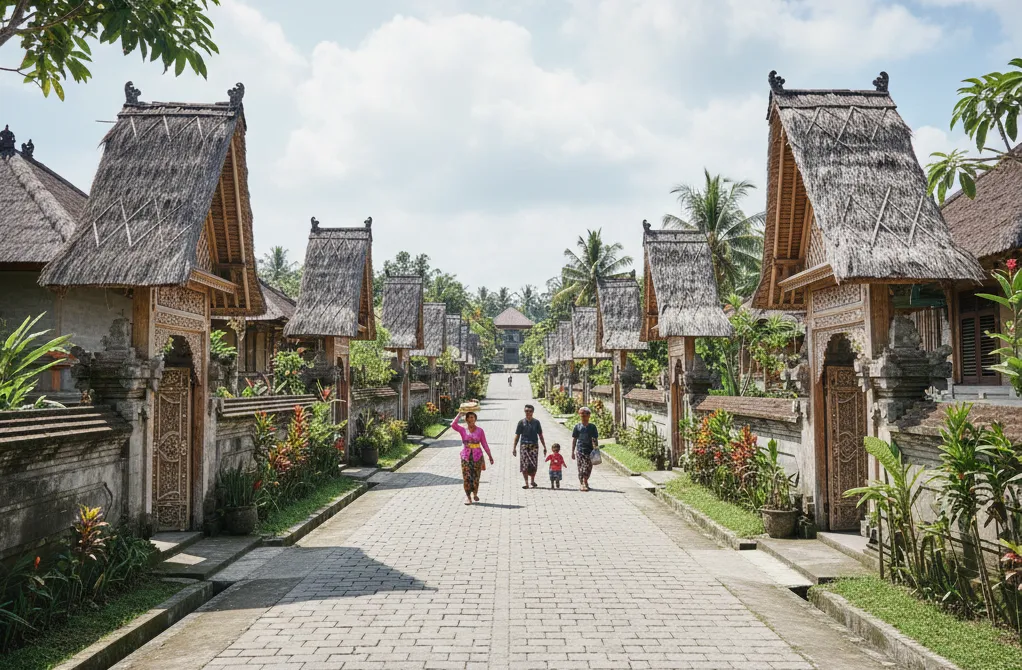
Deep in the northern regency of Buleleng, far from the chaotic traffic of Kuta, lies a quiet settlement that holds a profound lesson for humanity. This is Bengkala Village Bali, known locally as "Desa Kolok" (The Deaf Village).
At first glance, it looks like any other traditional Balinese village. But if you observe closely, you will notice something extraordinary: the silence here is not empty; it is full of conversation. Bengkala is world-famous not for its scenery, but for its unique culture of inclusivity where a high percentage of the population is deaf, yet no one is disabled.
A Genetic Trait Turned into Cultural Strength
For over seven generations, a recessive gene (DFNB3) has caused a high number of residents in Bengkala Village Bali to be born deaf. In many parts of the world, this might be seen as a tragedy or a disability requiring "fixing." However, the people of Bengkala have embraced this as a natural part of life.
Here, being deaf (Kolok) is not a barrier. The deaf residents are not hidden away; they are farmers, construction workers, and even village security guards (Hansip). They are fully integrated into the social and economic fabric of the community. This acceptance is what makes Desa Kolok Bali a shining example of a society that was inclusive long before the term became a global buzzword.
Kata Kolok: The Language That Unites Everyone
The most fascinating aspect of Bengkala Village Bali is how they solved the communication gap. The village developed its own unique sign language called Kata Kolok.
Unlike standard sign languages which are usually only learned by the deaf and their immediate families, in Bengkala, almost everyone speaks Kata Kolok. Hearing residents grow up learning it alongside spoken Balinese and Indonesian. It is a common sight to see a hearing shopkeeper chatting fluently in sign language with a deaf customer, or a group of childrenâmixed deaf and hearingâplaying together without any communication hurdles.
This "bilingual" ability of the hearing residents eliminates the isolation often felt by the deaf community elsewhere. In Bengkala, no one is left out of the conversation.
The Unique Janger Kolok Dance
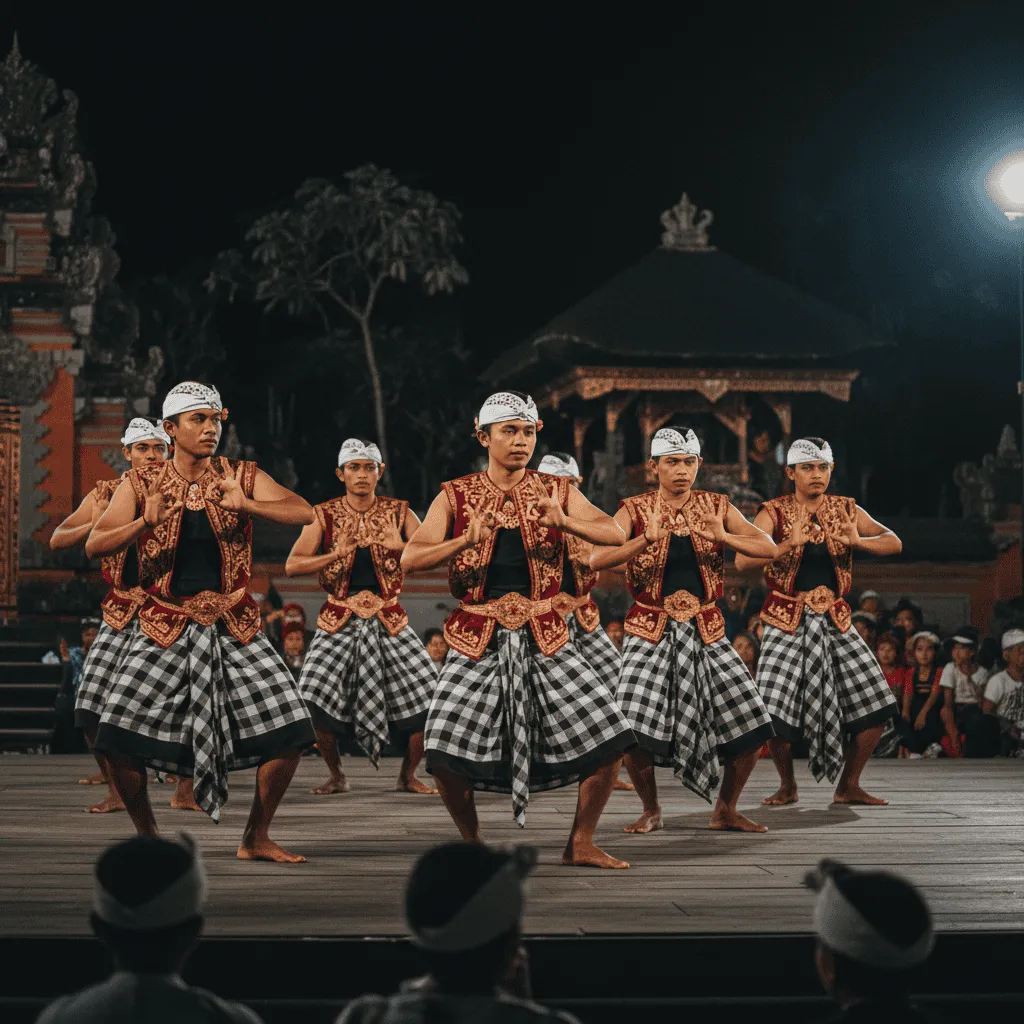
The inclusivity of Bengkala Village Bali extends even to the arts. The village is famous for the Janger Kolok, a variation of the traditional Balinese Janger dance performed entirely by deaf dancers.
Since they cannot hear the gamelan music, the dancers rely on visual cues and rhythmic vibrations to stay in sync. The result is a mesmerizing performance that is both rhythmic and deeply moving. Watching the Janger Kolok is a powerful reminder that art transcends physical limitations.
Why You Should Visit (And Learn)
Visiting Bengkala Village Bali is an educational journey. It is located in the Kubutambahan district, North Bali. When you visit, you aren't just a tourist; you are a student of humanity.
Respect the Culture: Visitors are welcome to observe and even learn a few basic Kata Kolok gestures.
Support the Economy: Buying local products or hiring a local guide helps sustain the village economy.
The Lesson: The biggest takeaway from Bengkala is that "disability" is often created by society's refusal to adapt. When a society adaptsâlike Bengkala did with Kata Kolokâthe disability disappears.
In a world often divided by differences, Bengkala Village Bali stands as a beacon of hope. It proves that when empathy and adaptation lead the way, we can build a world where everyone belongs.
Tags
WonderBali
Writer and Bali lover sharing stories about the beauty of the Island of Gods.