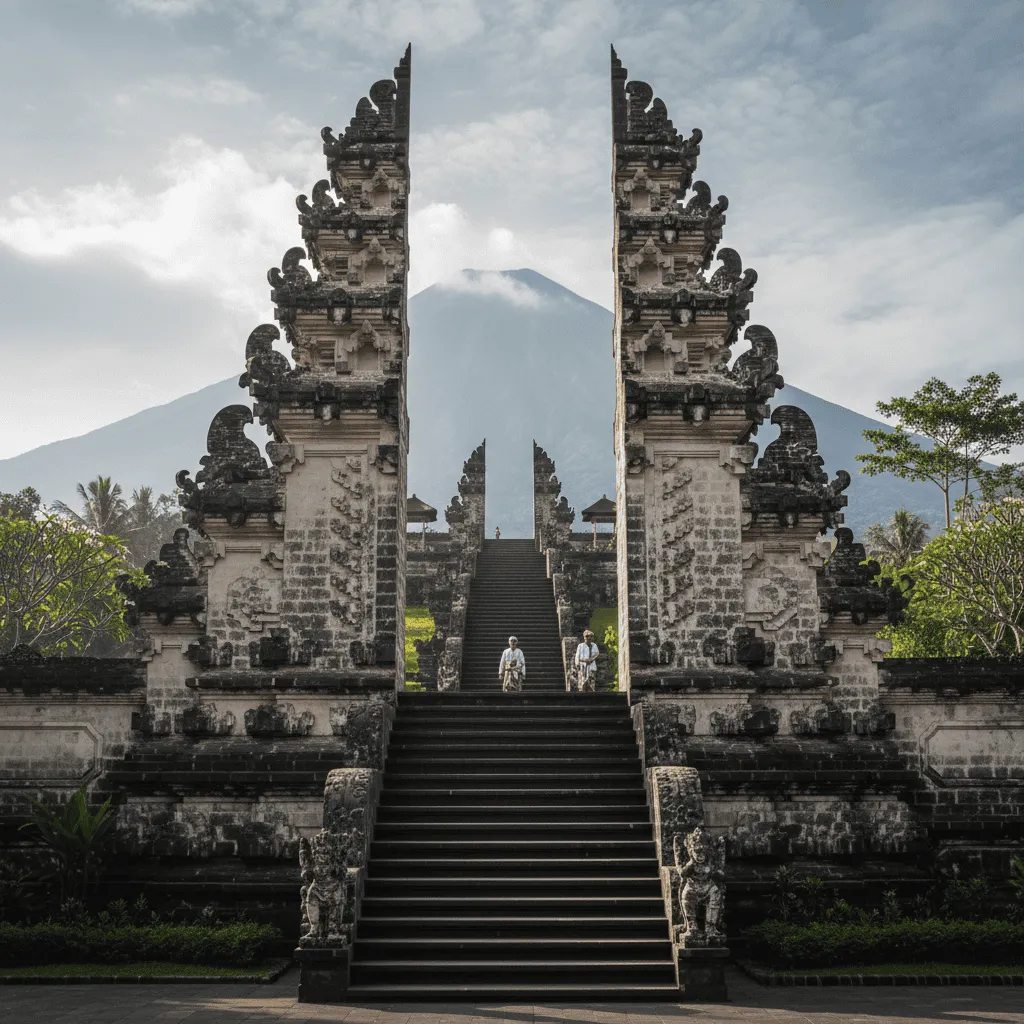
Imagine an island usually bustling with tourism, traffic, and nightlife suddenly falling into total silence. The international airport shuts down, the streets are completely empty, and not a single light is visible at night. This is not a scene from a movie; this is Nyepi, the unique "Day of Silence" that only happens in Bali.
This year, the sacred day falls on Thursday, March 19, 2026.
For international travelers, experiencing Nyepi can be the highlight of a trip or a confusing challenge if unprepared. This article will explain exactly why the Island of the Gods goes dark and the essential rules you must follow during Nyepi 2026 Bali.
What Is Nyepi? (The Day of Silence)
Unlike New Year celebrations in the rest of the world, which are synonymous with fireworks, parties, and countdowns, the Saka New Year 1948 in Bali is celebrated in absolute silence.
Nyepi falls on the Tilem Kesanga (the 9th new moon). The philosophy behind it is profound: it is a day for cleansing the Bhuana Alit (human microcosm) and Bhuana Agung (universe macrocosm). The Balinese Hindus believe that for one day a year, the earth needs to rest from human activity. It is a moment to "hit the reset button" on life, allowing nature to restore its balance.
Catur Brata Penyepian: 4 Absolute Rules for Nyepi
The core of Nyepi observance is the Catur Brata Penyepian, which consists of four strict prohibitions. These rules apply for 24 hours, starting from 6:00 AM on March 19 until 6:00 AM on March 20, 2026.
Here is a detailed breakdown of the rules and how they affect you as a tourist:
1. Amati Geni (No Fire or Light)
Literally, this means "observing fire." It prohibits the lighting of fires, lamps, or even smoking.
Spiritual Meaning: Extinguishing the fire of anger and desire within oneself.
For Tourists: You are strictly prohibited from turning on lights on balconies or in outdoor areas of your hotel/villa. If you are inside your room, you may use dim lights, but you must keep your curtains tightly closed so no light escapes outside. Do not use camera flashes or flashlights outdoors.
2. Amati Karya (No Work)
All physical work and activities are stopped.
Spiritual Meaning: Focusing on Mulat Sarira (self-introspection) and reflecting on one's deeds over the past year.
For Tourists: All shops, restaurants, ATMs, convenience stores, and offices will be closed. Hotel staff will operate with a skeleton crew (usually only emergency kitchen and security). There will be no room cleaning service or laundry service on this day.
3. Amati Lelunganan (No Travel)
Movement outside the home is forbidden.
Spiritual Meaning: Stopping the desire to explore the outer world to focus on the inner world.
For Tourists: I Gusti Ngurah Rai International Airport closes completely for 24 hours. No planes land or take off. You are not allowed to leave your hotel premises. The streets are patrolled by Pecalang (traditional Balinese security guards). Do not try to sneak out to the beach; strict customary sanctions apply.
4. Amati Lelanguan (No Entertainment)
No loud entertainment or pleasure-seeking activities.
Spiritual Meaning: Calming the mind to hear the inner voice.
For Tourists: No loud music or parties. Cable TV channels and mobile internet data (4G/5G) are usually turned off by providers across the island upon government instruction. However, Wi-Fi within hotel premises usually remains active, though it might be slower than usual due to high traffic.
The Ogoh-Ogoh Parade: The Night Before Silence
One day before Nyepi 2026 (on March 18), you will witness the Tawur Agung Kesanga ritual. The highlight occurs in the late afternoon and evening: the Ogoh-ogoh parade.
Ogoh-ogoh are giant, scary statues made of bamboo and paper, representing Bhuta Kala (demons or negative energy). These statues are paraded around villages with loud gamelan music and torches to absorb negative energy from the environment. At the end of the night, they are burned (or symbolically destroyed) to ensure the negativity is gone before the holy day of Nyepi begins. This is a spectacular cultural event that photographers love.
Survival Tips for Tourists During Nyepi 2026
To ensure your silent holiday remains comfortable:
Stock Up on Food: Since there are no food delivery apps (Grab/Gojek) and all stores are closed, buy snacks, water, and instant noodles the day before (March 18).
Offline Entertainment: Prepare for the possibility of slow or disconnected internet. Download movies on Netflix, YouTube, or Spotify, and bring a good book.
Respect the Silence: If you are using the hotel pool, keep your voice down. Noise travels far in the silence and can disturb locals meditating nearby.
Medical Emergencies: Pharmacies will be closed. Ensure you have your personal medications. For life-threatening emergencies, contact your hotel reception immediately; ambulances are the only vehicles allowed on the road.
Conclusion: The Silent Beauty
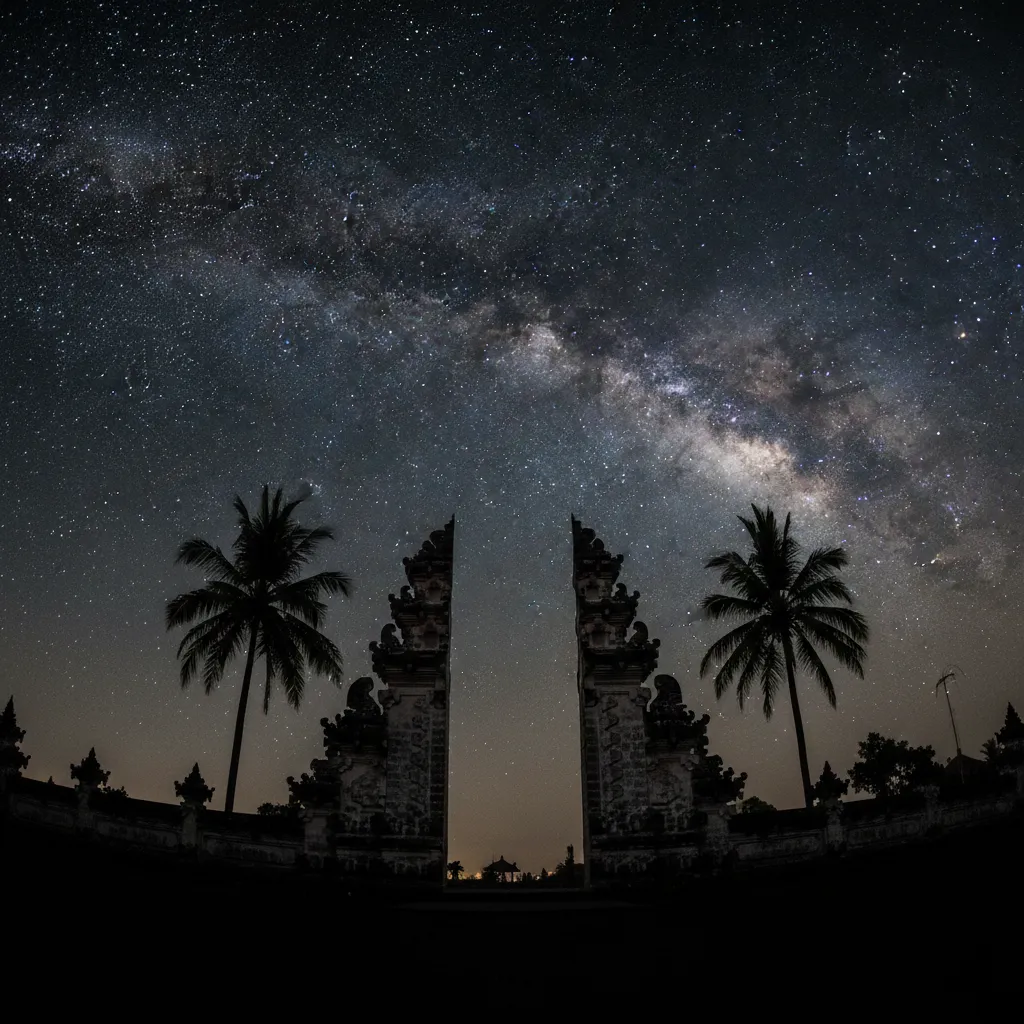
Instead of feeling trapped, embrace Nyepi 2026 Bali as a rare privilege. When night falls, turn off all your room lights, sit on your balcony (in the dark), and look up. Without light pollution, the Bali sky will be blanketed in millions of stars. The Milky Way is often visible to the naked eye on Nyepi night.
Nyepi is Bali's contribution to the world, giving the planet a full day of rest from carbon emissions. Enjoy the magical silence of the Island of the Gods. Rahajeng Rahina Nyepi Saka 1948.
Tags
WonderBali
Writer and Bali lover sharing stories about the beauty of the Island of Gods.